Green Chemistry in the Hemp Industry: An In-Depth Analysis
Green chemistry has become a central practice in modern industry, emphasizing the importance of reducing toxic chemicals, using renewable resources, and minimizing waste. This approach, once primarily focused on pharmaceuticals, now permeates various sectors, including food additives, dietary supplements, and, notably, the hemp industry.
What is Green Chemistry?
Green chemistry aims to create chemical products and processes that reduce or eliminate the use of hazardous substances. This includes preferring organic molecules over metals in catalysis, recycling solvents, and starting from renewable materials. The ultimate goal is to produce chemicals in a way that is safe for both people and the environment.
Green Chemistry in Pharmaceuticals
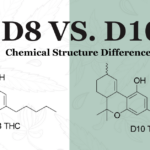
A review of green chemical practices reveals significant advancements in the pharmaceutical industry. Medications like Atorvastatin, Ibuprofen, Sertraline, and Simvastatin have all seen improvements in their synthesis through green chemistry. For instance, Aprepitant, used to treat post-chemotherapy nausea, involves a synthesis process where PTSA (p-toluenesulfonic acid) is a key reagent. This same reagent is used to convert CBD into D8 THC and other minor cannabinoids, showcasing a direct link between pharmaceutical green chemistry and hemp-derived products.
Green Chemistry Beyond Pharmaceuticals
Green chemistry principles extend beyond pharmaceuticals to food additives, vitamins, and sweeteners. Many common food products, fortified with essential vitamins like A, C, D, E, K, and B-complex vitamins, rely on synthetic or chemically modified versions due to the vast quantities required for fortification. Similarly, lower-calorie sweeteners such as Aspartame, Sucralose, and Saccharin are chemically derived, emphasizing the importance of green chemistry in their production.
Applying Green Chemistry to Hemp Derivatives
In the hemp industry, green chemistry principles guide the derivatization of cannabinoids like CBD into D8 THC. For instance, heptane, a straight-chain carbon molecule, is used as a solvent to dissolve CBD isolate. Heptane is favored not only for its inert nature but also for its recyclability, making it a safer and more sustainable choice. The process of converting CBD into D8 THC involves dissolving the CBD isolate in heptane, adding a catalytic amount of PTSA, and gently heating the mixture. After the reaction, the solvent and catalyst are removed, washed, and the remaining product is purified through distillation.
The Importance of Regulation in the Hemp Industry
The safety of hemp-derived products is often questioned, not because of their chemical processes, but due to a lack of understanding. Industry leaders advocate for regulation and testing to ensure product safety, rather than facing outright bans. Comprehensive legislation that includes testing, packaging, and labeling standards is crucial for the industry’s growth and public trust.
Data from material safety data sheets (MSDS) show that D8 THC (LD50 of 860 mg/kg) and D9 THC (LD50 of 666 mg/kg) have higher lethal doses compared to caffeine (LD50 of 150-200 mg/kg). This data underscores the importance of proper regulation rather than unfounded bans, which could drive the market underground and harm the industry.
Regulation Over Prohibition is The Answer
Regulation, not prohibition, is the key to ensuring the safety and success of the hemp and cannabinoid industry. Thoughtful legislation will not only protect consumers but also allow the industry to thrive, providing economic benefits to the state and the country. By embracing green chemistry principles and advocating for proper regulation, the hemp industry can continue to innovate and contribute positively to society.

bySean Norris
Dr. Sean Norris holds a Ph.D. in Organic Chemistry from Iowa State University. His work focused on organic synthesis of small organic fluorophores. These projects included quantification and quality control using HPLC, NMR, and various other instruments that have allowed him to grow into his analytical shoes. Sean joined the MC Nutraceutical team in October of 2022. He started the in-house analytical testing facility that helps put MCN as a leader in safety and efficacy. As the hemp and minor cannabinoid industry grows he has expanded to being an advocate and subject matter expert pushing for proper regulations and legislature in the United States and abroad.